What You will find in this blog:
- Why Choose Ha Giang for Your Escape?
- Location: The North East of Vietnam, Authentic Travel
- Transportation
- Best Time to Visit Ha Giang and Seasonal Highlights
- Accommodation in Ha Giang
- Top Sightseeing & Activities in Ha Giang: Your Ultimate Adventure and Cultural Escape
- Recommended Tours for Every Traveler in Ha Giang
- Travel Tips for Your Ha Giang adventure
- Recommended itineraries to spark your travel ideas
Ha Giang, Vietnam’s northernmost province, is a land of breathtaking landscapes, vibrant ethnic cultures, and authentic adventure. Far from the bustling tourist hubs, Ha Giang remains a hidden gem where rugged limestone peaks, terraced rice fields, and traditional villages create a mesmerizing tapestry of nature and heritage. This comprehensive guide will take you through the must-see sights, cultural experiences, and practical tips to help you plan an unforgettable journey to this spectacular frontier of Vietnam.
Why Choose Ha Giang for Your Escape?
Ha Giang stands out as a premier destination for travelers looking to combine adventure with cultural discovery. Here’s why Ha Giang should be your next holiday escape:
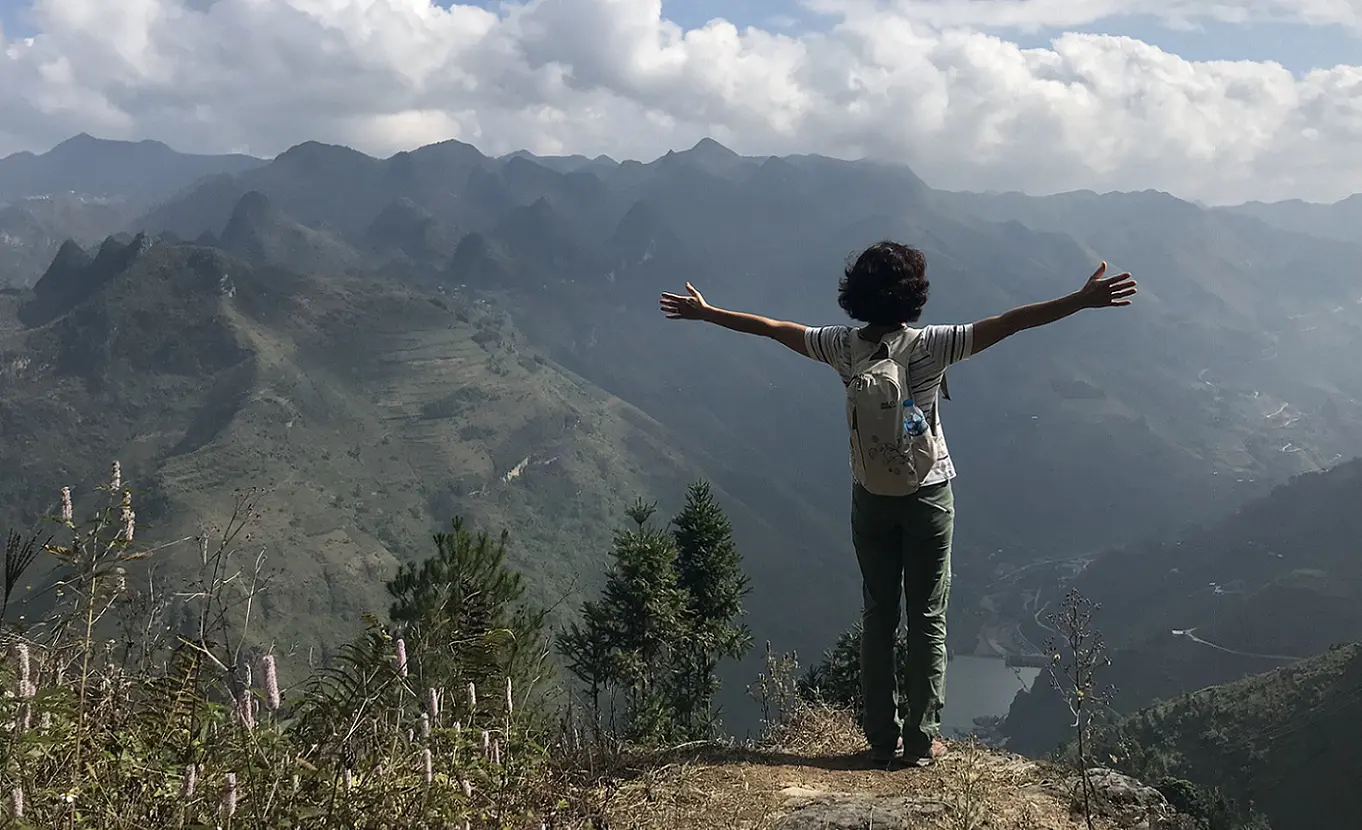
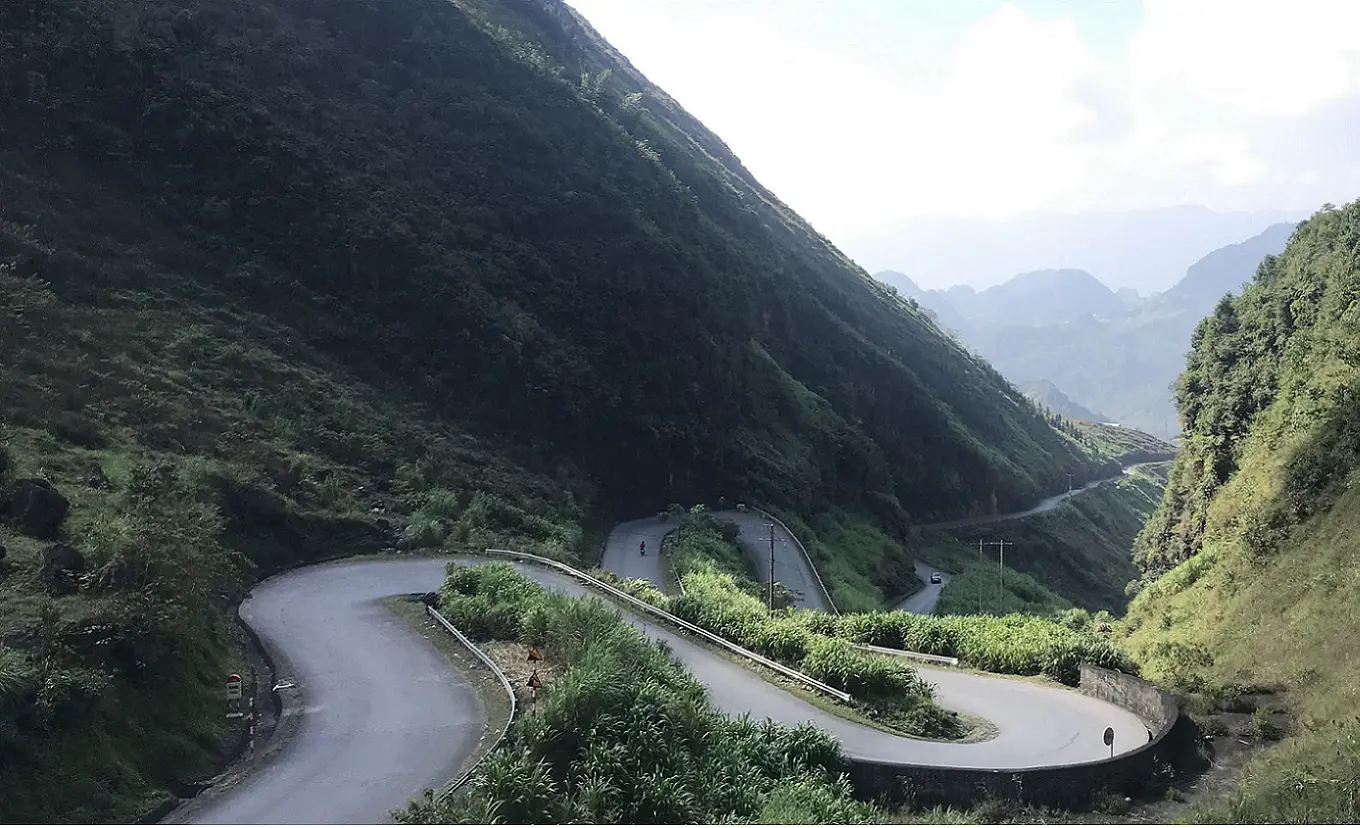
- Unparalleled Scenic Beauty: The winding roads of the Ha Giang motorbike loop offer panoramic views of deep river canyons, limestone karsts, and terraced rice fields that change colors with the seasons. The Ma Pi Leng Pass is often called the most spectacular mountain pass in Vietnam, providing breathtaking views over the Nho Que River gorge.
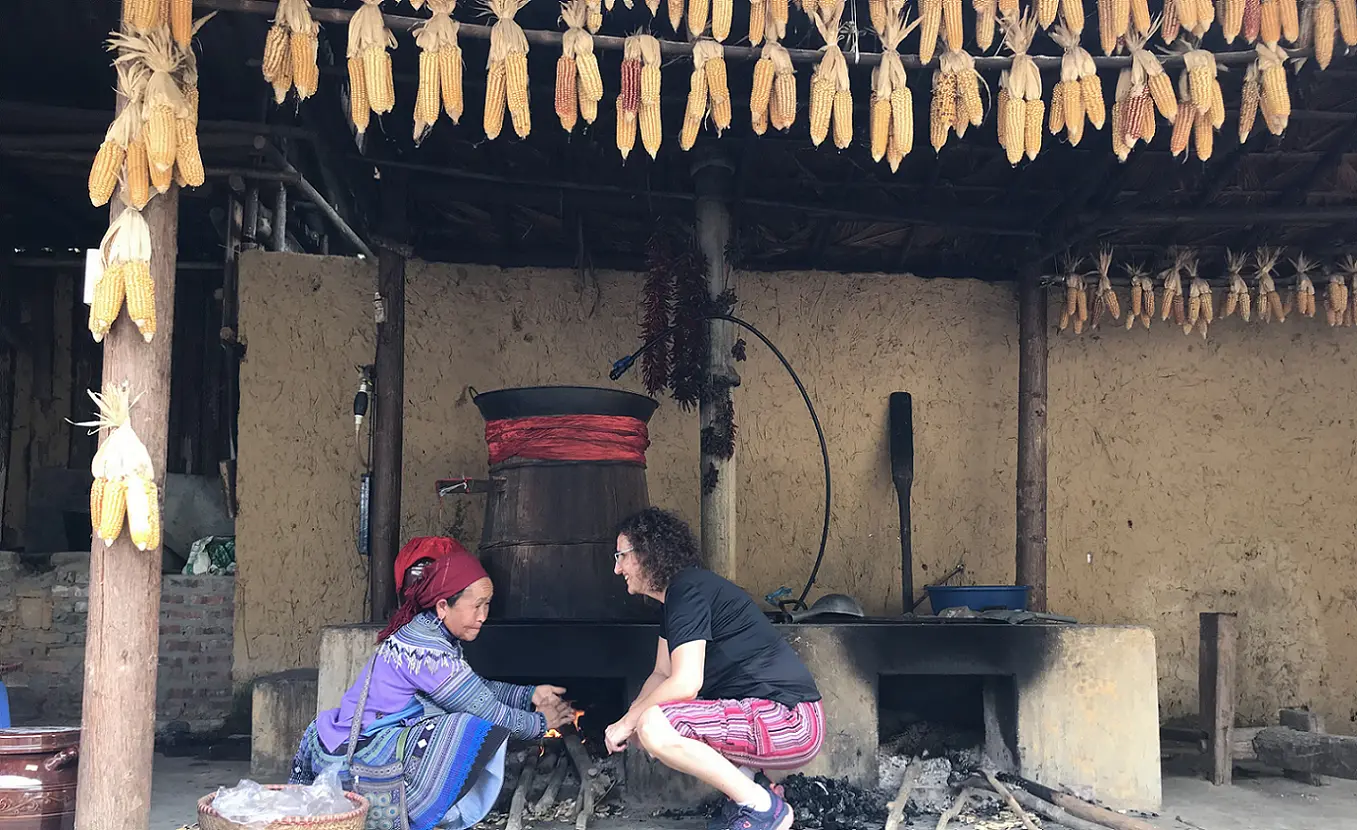
- Authentic Cultural Experiences: Visiting Ha Giang ethnic minority villages allows you to witness traditional lifestyles, vibrant festivals, and unique handicrafts. Staying in local homestays offers insight into the daily lives of the H’Mong, Tay, and Dao... communities. Participate in daily activities such as rice planting, cardamom picking, and brocade weaving.
- Adventure Capital: Trekking, motorbiking, river kayaking, and mountain climbing are just some of the adventures awaiting thrill-seekers. The region’s rugged terrain and winding roads make every journey an exhilarating experience.
- Off-the-Beaten-Path: Ha Giang is less commercialized than other northern destinations, offering authentic encounters and tranquil scenery.
Location
Ha Giang is situated at the northernmost tip of Vietnam, directly bordering China. The province lies approximately 300 kilometers north of Hanoi and is accessible by road from the capital. Surrounded by several provinces—each offering unique attractions—Ha Giang occupies a strategic position at the crossroads of Vietnam’s northern highlands, making it an ideal base for travelers seeking to explore the region.
To the east is Cao Bang, famous for the spectacular Ban Gioc Waterfall, one of the largest and most beautiful waterfalls in Vietnam, as well as the Nguom Ngao Cave and the historic Pac Bo site. To the west lies Lao Cai, home to the well-known Sapa region, celebrated for its terraced rice fields, Fansipan Mountain (the highest peak in Indochina), and vibrant ethnic minority markets. South of Ha Giang is Tuyen Quang, known for Na Hang Lake—a scenic reservoir surrounded by limestone mountains and ancient forests, perfect for boat trips and eco-tourism. To the southwest, Yen Bai is renowned for Mu Cang Chai’s breathtaking terraced rice fields, especially stunning during the harvest season.
While Ha Giang itself is a treasure trove of natural wonders and rich ethnic cultures, its proximity to these famed neighboring destinations enables visitors to create extended itineraries that combine adventure, nature, and cultural discovery.
Transportation
Ha Giang is accessible only by road, as there are no flights or train services connecting it to Hanoi. The journey from Hanoi to Ha Giang typically takes about 5 to 7 hours, depending on traffic, destinations and the mode of transport chosen.
Travelling from Hanoi to Ha Giang
Travelers have several options to reach Ha Giang from Hanoi:
- Overnight Sleeping Bus: This popular choice features buses with reclining beds, allowing passengers to rest during the 6-7 hour journey. Buses usually depart in the evening and arrive early the next morning, providing a budget-friendly and time-efficient option.
- Limousine Bus: Offering a more comfortable and premium experience, limousine buses have spacious reclining seats, air conditioning, USB charging ports, and often include hotel pickup and drop-off in Hanoi and Ha Giang. The trip takes about 5-6 hours with departures typically in the morning and late afternoon.
- Private Car Transfer: For maximum flexibility and comfort, private cars or SUVs can be hired. This option allows travelers to set their own schedule, make stops at points of interest along the way, and enjoy direct door-to-door service with a professional driver.
- Motorbike: Experienced riders seeking adventure can rent motorbikes and travel the route themselves. The journey is longer (8-10 hours) and requires proper preparation, including an international driving license and protective gear. This option offers intimate exposure to the countryside and opportunities to stop at scenic spots and local villages.
Transportation Within Ha Giang
Once in Ha Giang, the most popular way to explore the province and complete the famous Ha Giang Loop is by renting a motorbike. Rentals are widely available in Ha Giang City. For those less confident riding, guided tours with drivers on motorbikes or in cars are common and provide a safer, more relaxed way to experience the region.
Additionally, boat trips on the Nho Que River offer a unique perspective of Ha Giang’s dramatic canyon landscapes. Local transport options are limited, so planning for vehicle rental or guided tours is recommended to navigate the mountainous terrain comfortably.
This network of transportation options ensures that travelers can tailor their journey to Ha Giang according to their preferences for comfort, adventure, and budget.
Best Time to Visit Ha Giang and Seasonal Highlights
Ha Giang’s mountainous terrain creates distinct seasons, each offering unique experiences and landscapes. Choosing the best time to visit depends on your interests—whether it’s trekking, photography, cultural festivals, or simply enjoying peaceful nature.
Autumn (September to November) – The Peak Season
This is widely regarded as the best time to visit Ha Giang. The weather is cool and dry, with temperatures ranging from 18 to 26°C, making it perfect for outdoor activities like trekking and motorbiking the famous Ha Giang Loop.
During this period, the terraced rice fields in areas like Hoang Su Phi, Xin Man, and Yen Minh turn a radiant golden yellow, creating some of the most photogenic landscapes in Vietnam. Another highlight of autumn is the blooming of buckwheat flowers, which cover the hillsides around Dong Van, Meo Vac, and the Suoi Thau steppe in delicate shades of white and pink. These blossoms transform the rugged terrain into a fairy-tale carpet, attracting photographers and nature lovers alike. Local ethnic groups celebrate the harvest with festivals and markets filled with traditional foods such as five-colored sticky rice and smoked buffalo meat. Clear skies and vibrant foliage also offer excellent opportunities for photography.
Winter (December to February) – Quiet and Misty
Winter in Ha Giang is cold, especially in higher altitudes, with temperatures sometimes dropping to 5°C. Mist and fog often shroud the valleys, creating a mystical atmosphere. This season is perfect for travelers seeking tranquility and introspection. Plum and peach blossoms begin to appear in late winter, adding color to the frosty landscape. Local winter festivals like the Gau Tao Festival offer a glimpse into ethnic traditions during the Lunar New Year period.
Spring (March to April) – Blossoms and Cultural Festivals
Spring brings mild temperatures and blooming peach, plum, and buckwheat flowers that carpet the hillsides in soft pinks and whites, especially around Lo Lo Chai and Lung Cu villages. This season is ideal for cultural immersion, as many ethnic minority communities hold traditional festivals like the Kho Muong Festival of the H’Mong people. The weather is pleasant for trekking and exploring the countryside, with fresh green landscapes and fewer tourists than in autumn.
Summer (May to August) – Lush Greenery and Adventure
Though summer can be hot and rainy, this season showcases Ha Giang’s lush green rice terraces at their peak vibrancy, particularly in Hoang Su Phi, Xin Man, and Nam Ty. The occasional showers refresh waterfalls and forests, making it a great time for adventurous travelers who don’t mind wet conditions. Trekking and motorbiking are still possible but require caution due to slippery roads.
Ultimately, Autumn (September to November) is the most popular and recommended time for visiting Ha Giang due to its comfortable weather, stunning landscapes, and vibrant cultural activities. However, each season offers its own charm and unique experiences, so plan your trip according to what you want to see and do.
Accommodation in Ha Giang
Ha Giang offers a diverse selection of accommodation options, ensuring that every traveler can find a stay that matches their preferences and budget. Whether you seek authentic cultural immersion, budget-friendly comfort, or modern amenities, the province provides a welcoming base for your adventures.
Homestays: Cultural Immersion
For those wanting a genuine local experience, homestays in traditional villages such as Thon Tha Village, Nam Hong Village near Hoang Su Phi, or communities around the Dong Van Karst Plateau are excellent choices. Staying with local families allows you to enjoy homemade meals, participate in daily life, and learn about the unique customs and traditions of Ha Giang’s many ethnic groups. These homestays are typically rustic but warm, offering a deep connection to the region’s culture and landscape.
Guesthouses and Hostels: Budget-Friendly Options
In Ha Giang City and towns along the Ha Giang Loop such as Meo Vac and Dong Van, you’ll find a range of guesthouses and hostels. These accommodations are ideal for backpackers and budget travelers, providing basic comforts, communal spaces, and opportunities to meet fellow adventurers. Their convenient locations make it easy to explore local markets and access transportation.
Boutique Hotels and Lodges: Modern Comfort
Travelers seeking more comfort can opt for boutique hotels or lodges in areas like Quan Ba and Dong Van, which offer modern amenities while maintaining local charm and scenic views. These properties often feature well-appointed rooms, on-site dining, and thoughtful design reflecting Ha Giang’s natural beauty and cultural heritage. They are well-suited for couples, families, or anyone looking for a relaxing retreat after a day of exploration.
Luxury Stays
While Ha Giang is best known for its rustic and authentic accommodations, select options provide a more luxurious experience. These typically include private villas or bungalows set in tranquil mountain settings, offering personalized service and privacy, perfect for travelers seeking a higher standard of comfort amidst stunning landscapes.
Top Sightseeing & Activities in Ha Giang: Your Ultimate Adventure and Cultural Escape
Ha Giang offers travelers an authentic, off-the-beaten-path experience with stunning landscapes and rich cultural traditions. Whether you’re a nature lover, culture enthusiast, or adventure seeker, these top 10 must-see sights and activities will make your visit unforgettable.
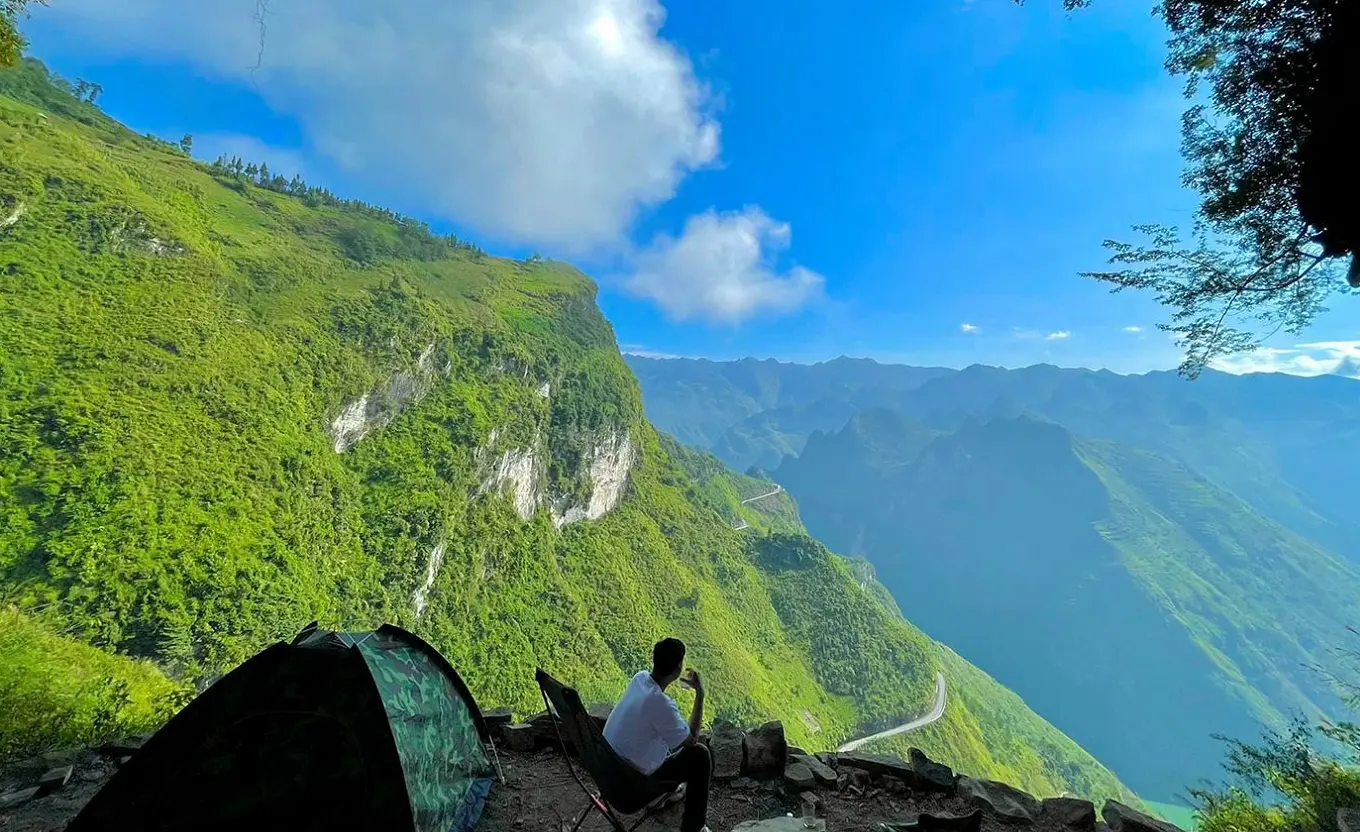
1. Explore the Ha Giang Loop – The Ultimate Motorbike Adventure
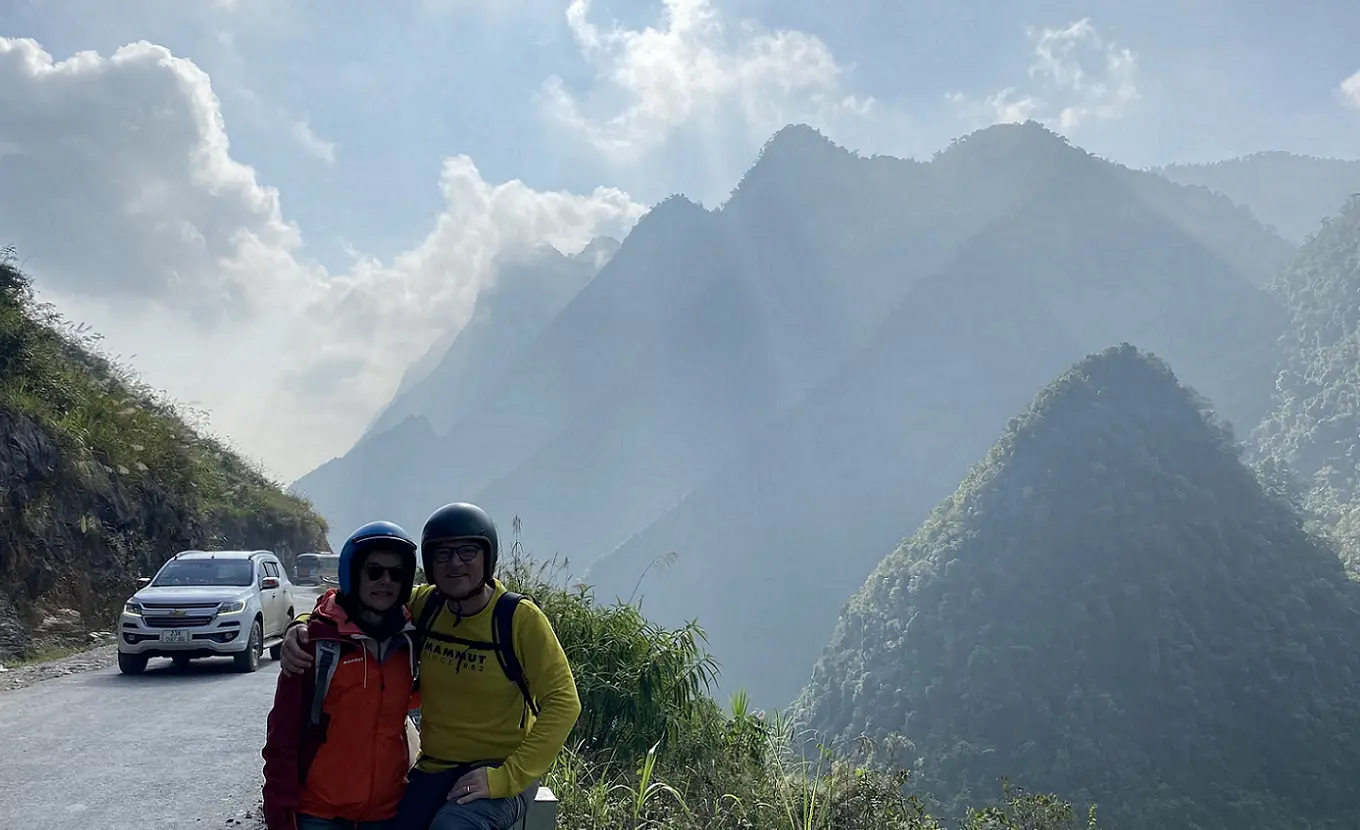
The Ha Giang Loop is a 350-kilometer circuit winding through some of Vietnam’s most dramatic mountain scenery. Riding a motorbike or joining a guided tour, travelers traverse winding roads with panoramic views of limestone karsts, deep river canyons, and terraced rice fields. Highlights include the famous Ma Pi Leng Pass, often hailed as Vietnam’s most spectacular mountain pass overlooking the turquoise Nho Que River gorge, Quan Ba Heaven Gate with its panoramic views of the “Twin Mountains,” and the Dong Van Karst Plateau, a UNESCO Global Geopark featuring unique limestone formations and ancient villages.
2. Discover Du Gia – A Hidden Gem of Nature and Culture
Du Gia is a peaceful valley village perfect for those seeking tranquility and authentic rural life. Here you can trek through pristine forests and waterfalls, relax in homestays with local Tay families, experience traditional farming and herbal medicine, and enjoy river swimming or bamboo rafting. Du Gia offers a serene escape from the more tourist-heavy areas and is ideal for immersive nature and cultural experiences.
3. Visit Lung Cu Flag Tower – Vietnam’s Northernmost Landmark
Perched atop Lung Cu Peak near the Chinese border, the Lung Cu Flag Tower symbolizes national pride. Climb the 283 steps to see a giant Vietnamese flag waving over rolling mountains and farmland. The tower’s architecture reflects the cultural heritage of Ha Giang’s ethnic minorities, and the summit offers inspiring panoramic views.
4. Trekking through Hoang Su Phi’s Terraced Rice Fields
Hoang Su Phi is famous for its expansive terraced rice fields, recognized as a national heritage site. Visit between May and October to witness the terraces in their lush green glory or golden harvest colors. Trekking through villages like Nam Hong and Ban Phung offers immersive experiences with Dao and H’Mong communities, where you can observe traditional farming and vibrant local festivals.
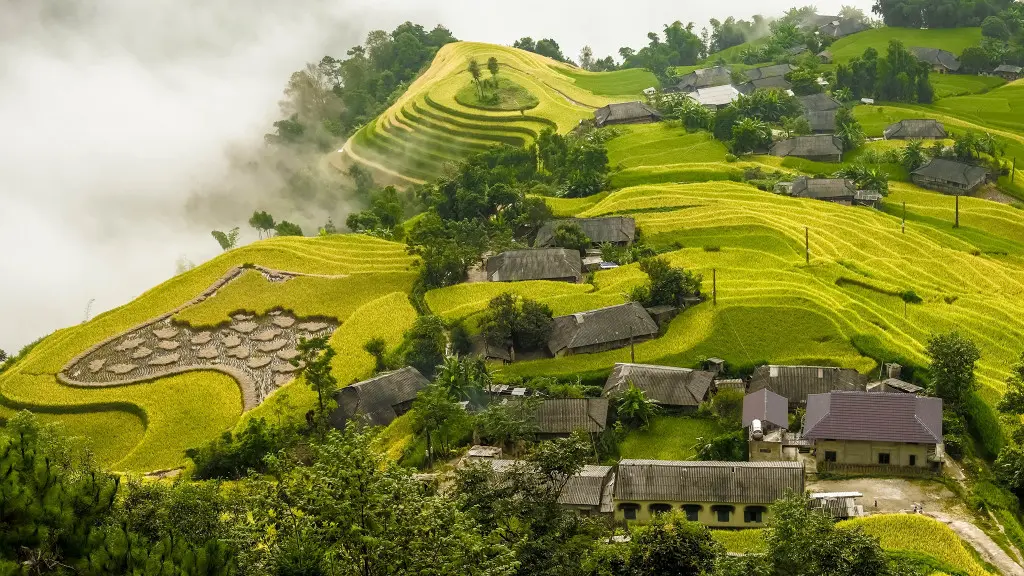
5. Immerse Yourself in Ethnic Minority Villages
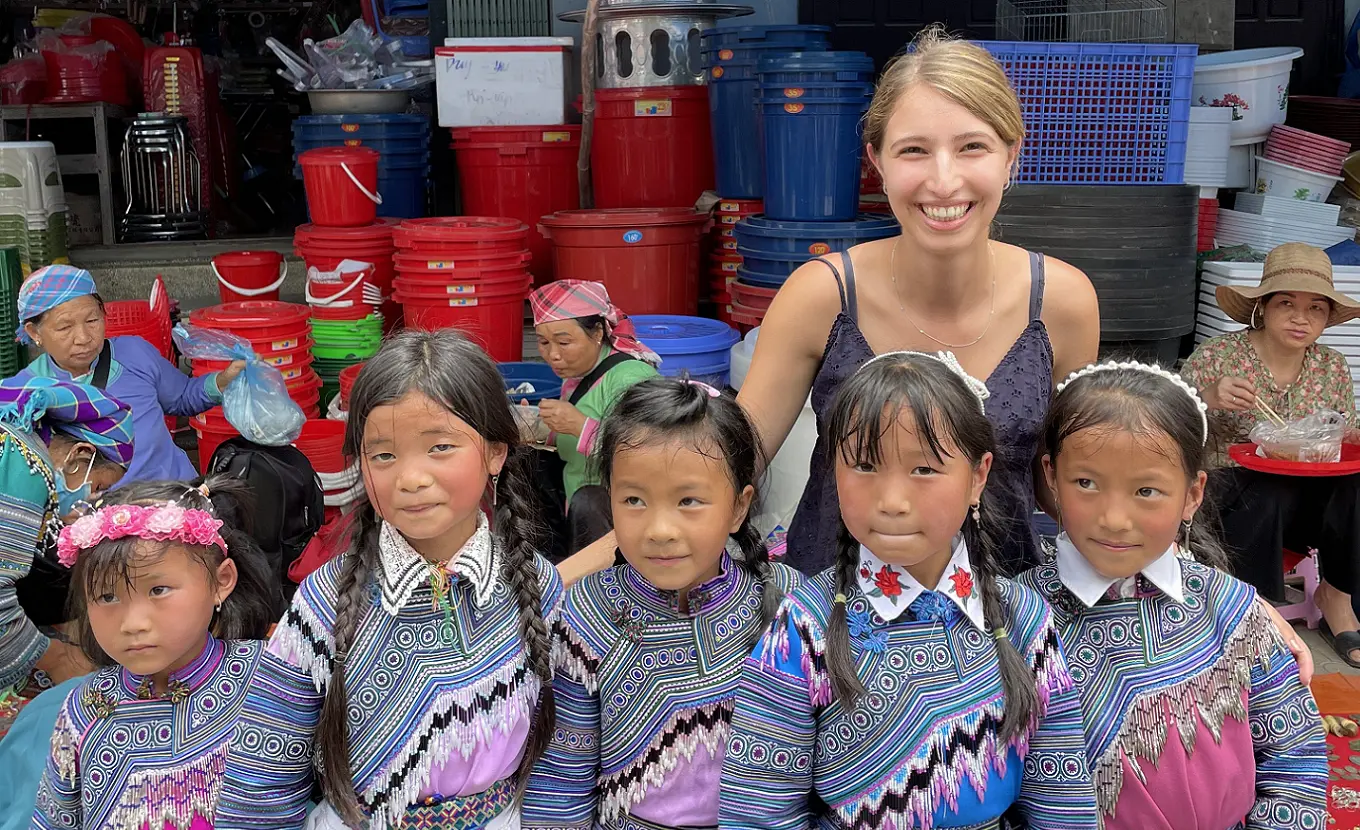
Ha Giang is home to over 20 ethnic groups, including the H’Mong, Tay, Dao, Lo Lo, and Nung peoples. Visiting villages such as Nam Hong (Red Dao), Tha (Tay), and Lo Lo Chai (Lo Lo) reveals unique customs, traditional costumes, and handicrafts. Participate in activities like brocade weaving, cardamom harvesting, or herbal baths, and enjoy warm homestay hospitality that showcases Ha Giang’s rich cultural tapestry.
6. Trek Through the Stunning Dong Van Karst Plateau
The Dong Van Karst Plateau, a UNESCO Global Geopark, features spectacular limestone formations, ancient villages, and vibrant ethnic markets. Trekking routes lead through rugged terrain and remote communities, offering encounters with local life and breathtaking views. Don’t miss the Dong Van Old Quarter, where traditional architecture and lively Sunday markets create a charming atmosphere.
7. Attend Traditional Festivals and Markets
Ha Giang’s festivals and markets are cultural highlights. The Khau Vai Love Market Festival (held annually in April) celebrates love and human connection with ethnic costume performances, folk games, and traditional dances. The Buckwheat Flower Festival (late September to November) showcases blooming buckwheat fields with music, dance, and local dishes. Weekly markets in Meo Vac and Dong Van burst with colorful ethnic costumes, handicrafts, and local delicacies, offering immersive cultural experiences.
8. Kayak or Boat Trip on the Nho Que River
For a different perspective, take a boat or kayak trip along the Nho Que River, winding through deep canyons and towering cliffs. The turquoise waters and dramatic scenery provide a peaceful escape and unique photo opportunities. This activity complements the motorbike loop and offers a refreshing way to connect with Ha Giang’s natural beauty.
9. Visit Lung Tam Village – The Brocade Weaving Center
Lung Tam Village is renowned for its traditional H’Mong brocade weaving. Here, you can observe the entire process from flax harvesting to intricate embroidery, learning about the spiritual meanings behind the patterns. Purchasing handmade textiles supports local artisans and helps preserve this ancient craft.
10. Explore Suoi Thau Steppe – Ha Giang’s Alpine Meadow
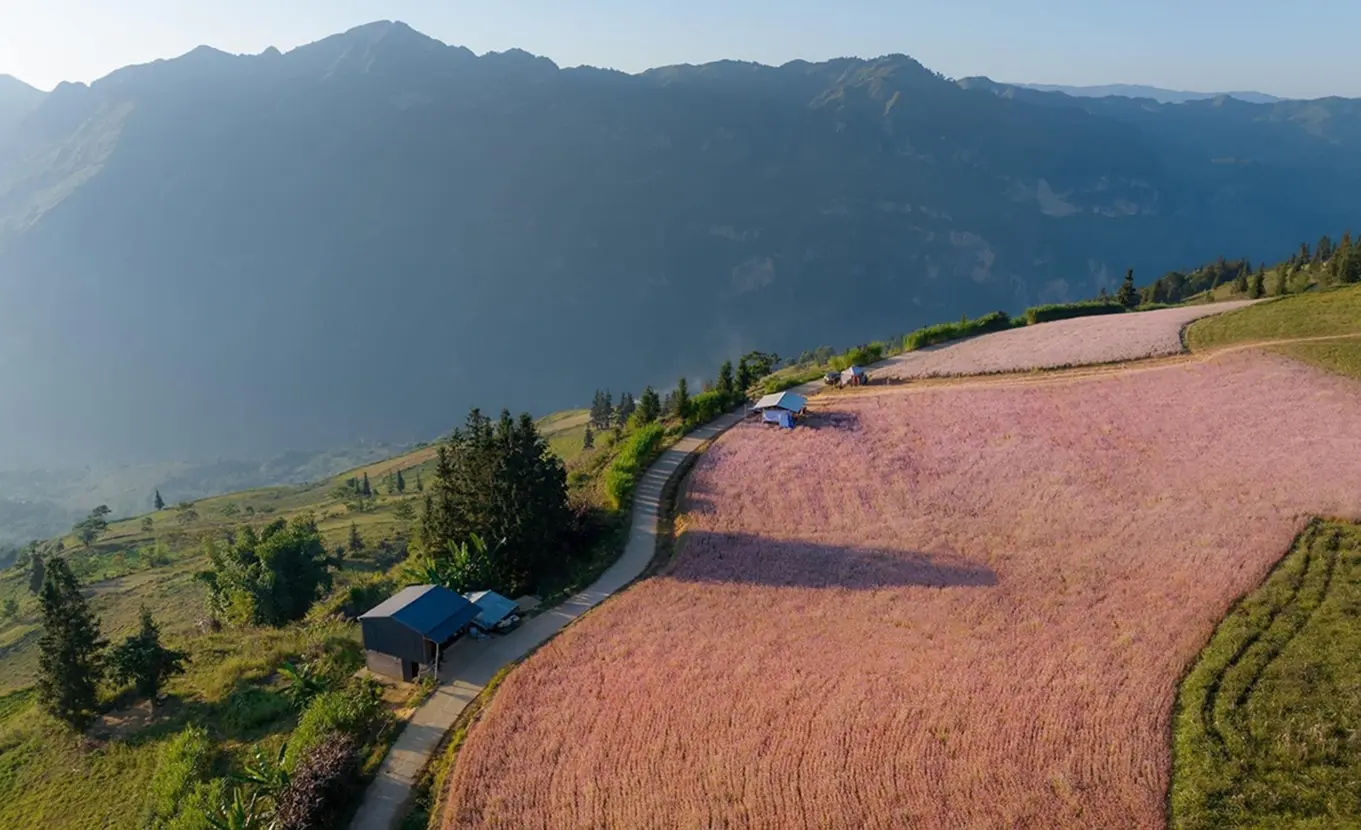
Known as the “Little Switzerland” of Ha Giang, Suoi Thau is a vast grassland plateau at over 1,200 meters altitude. It is especially stunning in November when buckwheat flowers bloom, covering the steppe in soft pastel hues. The area is perfect for hiking, photography, and enjoying serene mountain landscapes.
Recommended Tours for Every Traveler in Ha Giang
No matter your travel style, Ha Giang’s diverse tours promise unforgettable moments amid Vietnam’s most stunning highland scenery and rich cultural tapestry. Here’s how you can experience the best of Ha Giang, tailored to your travel style:
For Adventure Seekers
- Multi-Day Trekking: Embark on guided treks through remote mountain trails, crossing terraced rice fields, deep valleys, and ethnic minority villages.
- Mountain Biking: Tackle challenging off-road routes and winding highland passes for an adrenaline rush and breathtaking views.
- Village Hiking: Explore lesser-known paths connecting Tay, Dao, and H’Mong communities, with opportunities for overnight stays in rustic homestays.
- Remote Exploration: Venture into wild areas like Du Gia or Hoang Su Phi, where nature and culture blend in an immersive, active experience.
For Culture Lovers
- Homestay Experiences: Stay with local families in villages such as Nam Hong, Lo Lo Chai, or Tha to learn about daily life and traditions.
- Local Markets: Join tours that coincide with Sunday markets in Dong Van or Meo Vac, where you can witness ethnic costumes, food, and crafts.
- Traditional Festivals: Time your visit for events like the Buckwheat Flower Festival or Khau Vai Love Market to experience music, dance, and communal celebrations.
- Cultural Workshops: Participate in brocade weaving, herbal medicine, or cooking classes for hands-on cultural discovery.
For Market Enthusiasts
- Ethnic Market Tours: Visit vibrant markets such as Dong Van, Meo Vac, and Pho Cao, where ethnic minorities gather to trade goods, livestock, and handicrafts.
- Cross-Province Excursions: Extend your journey to famous markets like Bac Ha and Can Cau (in neighboring Lao Cai), known for their size, color, and unique local products.
- Handicraft Shopping: Engage with artisans and purchase one-of-a-kind textiles, jewelry, and souvenirs directly from the makers.
For Families
- Private Car Tours: Enjoy comfortable, flexible sightseeing with a driver and guide, ideal for families with children or seniors.
- Easy-Paced Itineraries: Visit waterfalls, panoramic viewpoints, and gentle hiking trails suitable for all ages.
- Educational Stops: Learn about local history at the Lung Cu Flag Tower, explore ancient villages, and interact with friendly locals.
- Nature Activities: Picnic by rivers, visit flower fields, and spot wildlife in safe, scenic settings.
For Photography Fans
- Guided Photo Tours: Join expert-led tours to the best sunrise and sunset viewpoints, including Ma Pi Leng Pass, Suoi Thau Steppe, and Hoang Su Phi terraces.
- Cultural Portraits: Capture vibrant markets, ethnic festivals, and daily life in remote villages with the help of local guides.
- Seasonal Highlights: Plan your trip around the golden rice harvest, buckwheat flower bloom, or spring blossoms for the most photogenic scenes.
For Cycling Enthusiasts
- Scenic Cycling Routes: Pedal through quiet backroads, terraced fields, and picturesque valleys, stopping at villages and local markets along the way.
- Loop Adventures: Take on sections of the Ha Giang Loop by bicycle for an active, eco-friendly exploration.
- Village Connections: Cycle between homestays, experiencing rural hospitality and authentic landscapes at your own pace.
Customization & Comfort
- Flexible Durations: Tours range from day trips to week-long adventures, tailored to your schedule.
- Expert Guides: Local guides provide in-depth knowledge, language support, and cultural insights.
- Private Transportation: Options for private cars, motorbikes, or bicycles ensure comfort and convenience.
- Personalized Experiences: Itineraries can be adapted for solo travelers, couples, groups, or families, ensuring a memorable journey for everyone.
Travel Tips for Your Ha Giang Holiday
To make the most of your Ha Giang adventure, keep these essential tips in mind.
- Stay Safe: The mountain roads can be tricky. If you don’t have much experience riding a motorbike, it’s better to join a guided tour or take a private car.
- Bring Cash: Outside Ha Giang city, ATMs are rare. Make sure to carry enough Vietnamese Dong with you.
- Be Respectful: Always ask before taking photos of people, especially in ethnic minority villages.
- Pack Wisely: The weather can change quickly in the mountains. Bring clothes you can layer, good shoes for walking, and rain gear if you visit during the rainy season.
- Book Early: If you want to stay in homestays or join tours, especially during busy seasons, book ahead to secure your spot.
- Stay Connected: Mobile signal can be weak in remote areas. Download maps on your phone before you go so you can use them offline.
- Try Local Food: Don’t miss tasting traditional dishes like thắng cố (a special stew) and fresh mountain vegetables.
To sum up, Ha Giang is a true hidden gem for travelers craving authentic adventure, cultural immersion, and stunning natural beauty. Whether you’re cruising the famous Ha Giang Loop motorbike tour, trekking through remote villages, or simply soaking in the panoramic views at Ma Pi Leng Pass, this northern province promises an unforgettable Vietnam travel experience.
Ready to discover Ha Giang and experience an unforgettable mountain adventure? Reach out to ASIALIFETRAVEL.COM to tailor your ideal Ha Giang itinerary and fully immerse yourself in this breathtaking northern destination.
>>Recommended itineraries to spark your travel ideas
Grand North-East Vietnam Discovery
Highlights of the North - East Vietnam

